
Your Resources
Lung Cancer
Lung Cancer Treatment in Huntsville Alabama and Other Locations
Lung Cancer
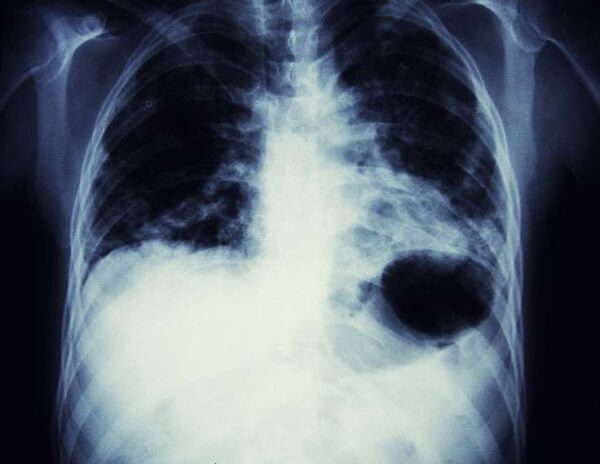
Lung cancer is the leading cause of cancer-related deaths for
both men and women, and the second most common cancer
overall. More people die from lung cancer each year than from
colon, breast, and prostate cancers combined. While it can be a more difficult cancer to treat, catching it early can make a huge difference. Early detection can boost survival rates by up to 20%! The National Cancer Institute recommends lung cancer screenings for those who meet certain criteria. Talk to your healthcare provider to find out if you’re eligible for a screening.
The following are associated symptoms of Lung Cancer:
- A Persistent, Lingering Cough
- Changes in a Long-Standing Cough or “Smoker’s Cough”
- Unusual Fatigue
- Coughing up Blood
- Shortness of Breath
- Wheezing
- Chest Pain
- Hoarseness
- Unexplained Weight Loss
- Bone Pain
At least 80% of lung cancers are linked to smoking, and secondhand smoke increases the risk by 30%. While smoking is the leading cause, there are other factors that can raise your chances of developing lung cancer. Having one or more of these risk factors doesn’t mean you will definitely get lung cancer, but it’s a good idea to discuss your eligibility for screening or your risk with your healthcare provider.
- Smoking and/or Vaping
- Exposure to Secondhand Smoke
- Exposure to Random Gas or Asbestos
- Working with Chemicals like Asbestos. Arsenic, Chromium,
Nickel. Beryllium, Cadmium, Tar, or Soot - Past Radiation Treatments for Other Cancers
- A Family History of Lung Cancer
During a physical exam, your healthcare provider may suspect lung cancer based on your symptoms or risk factors. To confirm if cancer is present, your doctor may order a variety of diagnostic tests, including:
- Chest X-Ray
- Sputum Cytology
- CT Scan
- Biopsy
- Surgery
- PET Scan
- Bronchoscopy
- MRI
These tests help determine the type of lung cancer, which falls into two main categories: Non-small lung cancer (NSCLC) and
small cell lung cancer (SCLC). NSCLC makes up about 85% of all lung cancers and includes types like adenocarcinoma, squamous cell carcinoma, and large cell carcinoma. Both NSCLC and SCLC are further classified into stages based on the tumor size and spread.
Stages of NSCLS:
- Stage I: Cancer is confined to the lungs and hasn’t spread. Stage IA involves
tumors smaller than 3 cm, and Stage IB involves tumors between 3-5 cm. - Stage II: Cancer has spread to nearby lymph nodes. Stage IIA includes tumors 5-7 cm or small tumors that spread to lymph nodes, while Stage IIB involves larger tumors (5-7 cm) that may or may not have spread to lymph nodes.
- Stage III: Cancer is in the lungs, lymph nodes, and possibly the chest area. Further subcategories depend on tumor size and location.
- Stage IV: Cancer has spread to both lungs, the surrounding fluid, or other organs like the liver or brain.
Stages of SCLS:
- Limited Stage: Cancer is confined to one side of the chest and nearby lymph nodes.
- Extensive Stage: Cancer has spread to other areas of the chest or other
organs.
Once diagnosed, your healthcare team will classify your cancer into a stage and discuss treatment options tailored to your situation. These may include:
- Surgery
- Chemotherapy
- Radiation therapy
- Targeted therapy
- Radiofrequency Ablation
- Clinical Trials
Lung cancer can cause many complications depending on severity, these complications include but are not limited to:
- Shortness of breath
- Coughing up blood
- Pain
- Fluid in the chest, also known as pleural effusion
- Cancer that spreads to other parts of the body, also known as metastasis
While there is no guaranteed way to prevent lung cancer, there are steps you can take to answer your risk:
- Avoid smoking – If you’ve never smoked, don’t start, and if you do smoke, quit now
- Avoid secondhand smoke – If you live or work with someone who smokes, ask them to quit or at least smoke outside to reduce your exposure.
- Test your home for radon – High radon levels are a known risk factor. If your home has high radon levels, there are ways to fix it and make your space safer.
- Limit Exposure to Toxic Chemicals – Whether at work or home, take steps to avoid toxic chemicals like asbestos or certain workplace hazards.
- Eat a Healthy Diet – Fill your plate with fruits and vegetables to get essential vitamins and nutrients.
- Exercise Regularly – Aim to get moving most days of the week to help improve your overall health.
Taking these steps can help reduce your risk, but staying proactive about your health is always key.